
Disclosure: This post contains affiliate links. As an Amazon Associate, we earn a small commission from qualifying purchases at no extra cost to you. We only recommend products we truly love and trust.
As someone deeply passionate about babies and toddlers, in this article, we will dive deep into this topic to answer your questions, present the best products, and compare them.
Motherhood is a beautiful, chaotic journey, but let’s be brutally honest—being tethered to a wall outlet for hours every day while pumping can feel incredibly isolating and physically exhausting. Traditional breast pumps are often bulky, obnoxiously loud, and require you to sit perfectly still, robbing you of precious time that could be spent holding your baby, catching up on work, or simply enjoying a hot cup of coffee.
Enter the life-changing world of wearable breast pumps. These wireless, hands-free devices slip discreetly right into your nursing bra, giving you your freedom back without sacrificing your milk supply. In this comprehensive guide, we will explore the top-rated wearable pumps on the market today, break down exactly why you need one in your motherhood arsenal, and provide an ultimate buyer’s checklist to ensure you make the perfect choice for your daily lifestyle.
Why You Absolutely Need a Wearable Breast Pump
When it comes to postpartum recovery and breastfeeding, comfort and mental health are just as important as milk output. Traditional pumps often force you into a hunched position, leading to severe back, neck, and shoulder pain over time. Wearable pumps promote better ergonomics by allowing you to stand up, walk around, and maintain a healthy, upright posture.
Beyond physical health, the mental relief of not feeling “trapped” by tubes and wires is immeasurable. You can pump while driving, folding laundry, or typing at your desk. Furthermore, consistent milk removal is the key to maintaining your supply, and when pumping is this convenient, you are far less likely to skip sessions. Investing in a wearable pump is truly an investment in your physical comfort, mental well-being, and breastfeeding longevity.
👉 Click the link to check the price on Amazon
. Top Products Review: The Best Wearable Breast Pumps
- Elvie Pump Double Wearable Smart Breast Pump
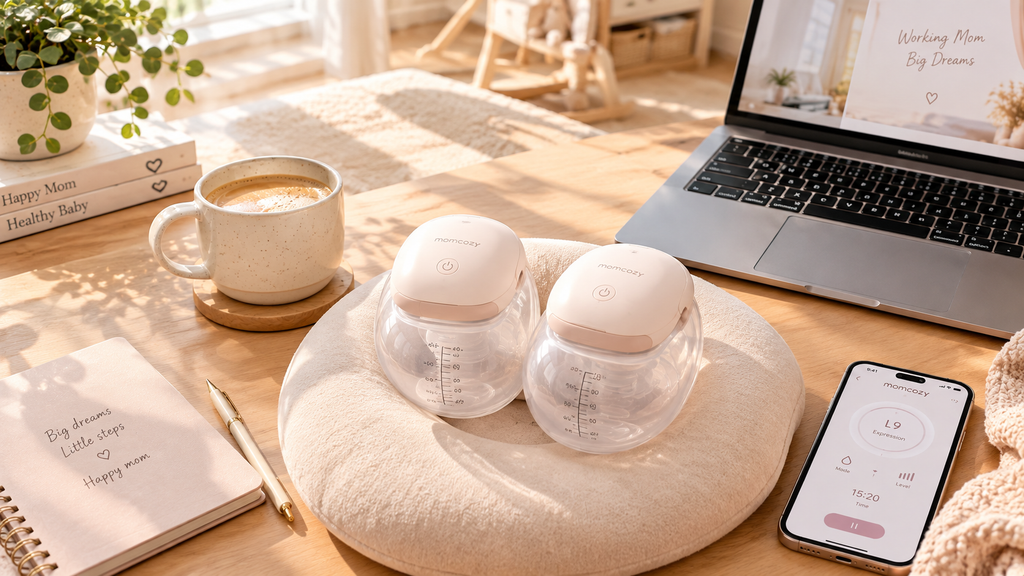
- Primary Feature: Ultra-silent operation paired with intelligent app integration.
Best For: Working moms and those who need to pump discreetly in public spaces or at the office.
Detailed Review: - The Elvie Pump is widely considered the pioneer of the silent pumping revolution. It is remarkably small and fits seamlessly inside a standard nursing bra without looking overly bulky. What sets the Elvie apart is its patented noise-reduction technology; it is genuinely quiet enough to use during a Zoom meeting or while your baby is sleeping right next to you. The companion app tracks your milk volume in real-time, monitors pumping history, and allows you to control the pump remotely so you don’t have to reach into your shirt.
Pros & Cons:
Pros: Whisper-quiet, no wires or tubes, excellent app tracking, incredibly discreet profile.
Cons: Premium price point, smaller milk capacity (5 oz per cup) compared to some competitors.
👉 Click the link to check the price on Amazon
- Willow Go Wearable Breast Pump
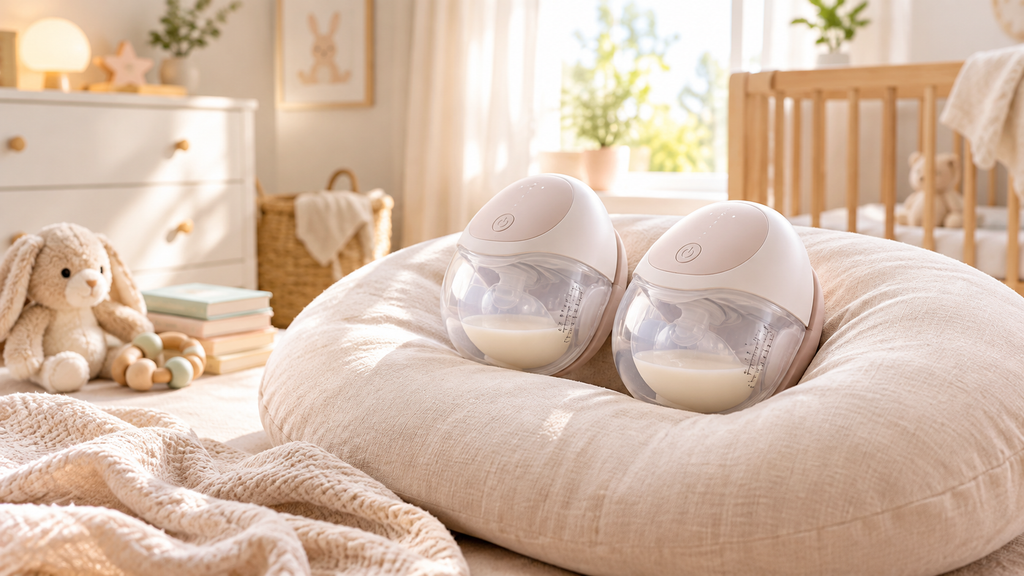
- Primary Feature: Hospital-grade suction strength with a massive milk capacity (up to 7 oz per cup).
Best For: Overproducers, exclusive pumpers, and moms who prioritize maximum milk output.
Detailed Review: - The Willow Go bridges the gap between traditional power and modern wireless convenience. It features a robust motor that delivers hospital-grade suction, ensuring that your breasts are emptied efficiently and completely. Unlike the original Willow (which uses proprietary bags), the Willow Go uses reusable containers, making it more eco-friendly and cost-effective daily. The clear design allows you to easily see your let-down and monitor the flow without taking the pump off.
Pros & Cons:
Pros: Powerful suction (up to -280mmHG), large capacity options, easy to assemble and clean.
Cons: Slightly bulkier under clothing than the Elvie, motor can be heard in completely silent rooms.
👉 Click the link to check the price on Amazon
- Momcozy M5 Wearable Breast Pump
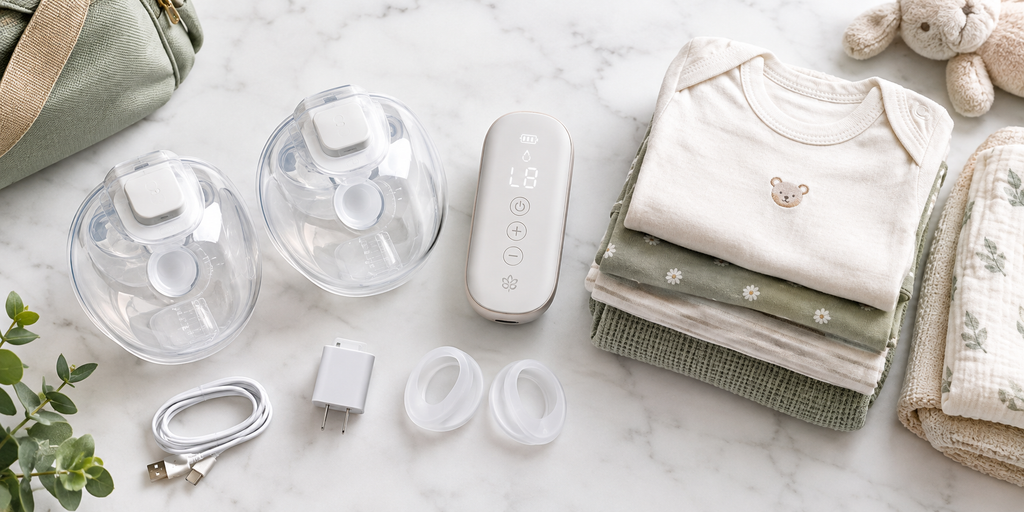
- Primary Feature: Innovative “baby mouth” micro-vibration technology for a painless, natural pumping feel.
Best For: Moms on a budget who refuse to sacrifice comfort, performance, or portability.
Detailed Review: - Momcozy has taken the pumping market by storm, and the M5 is their crown jewel. It features a unique, angled flange design that mimics a baby’s natural suckling motion, reducing nipple friction and making pumping virtually painless. It comes perfectly packaged in a hard-shell carrying case, making it the ultimate travel companion. Despite its highly affordable price tag, it offers 3 modes and 9 intensity levels, rivaling the performance of pumps triple its price.
Pros & Cons:
Pros: Unbeatable price-to-value ratio, extremely comfortable flange angle, excellent travel accessories included.
Cons: Battery life is average (lasts about 3-4 sessions), more parts to wash.
👉 Click the link to check the price on Amazon
- Medela Freestyle Hands-Free Breast Pump
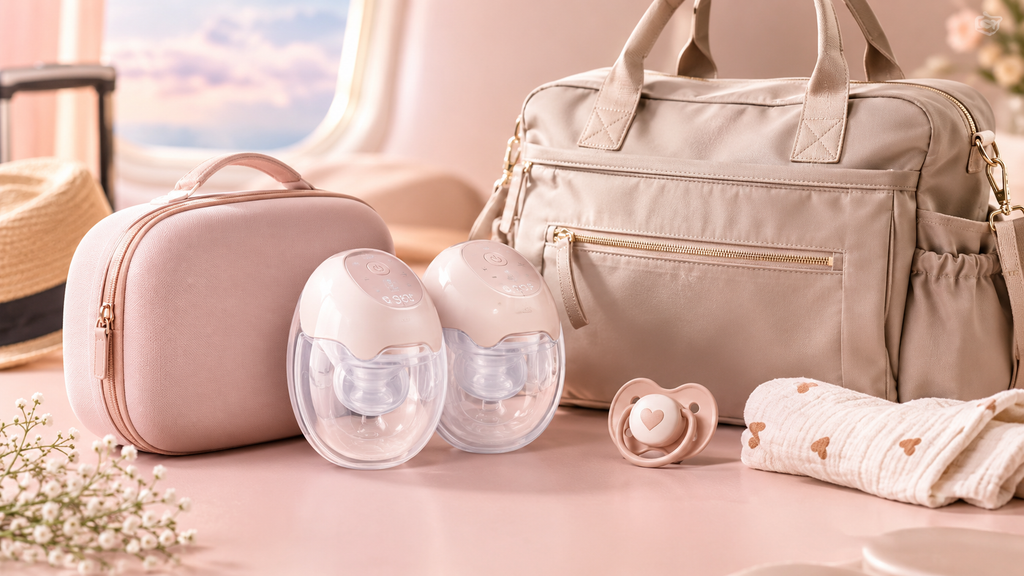
- Primary Feature: Anatomically shaped collection cups backed by decades of Medela’s medical research.
Best For: Moms who trust established, medically-backed brands and want reliable 2-Phase Expression technology.
Detailed Review: - Medela is a household name in lactation, and their entry into the wearable market does not disappoint. The Freestyle Hands-Free features ultra-lightweight collection cups (weighing only 2.7 oz each) that won’t weigh down your bra. It utilizes Medela’s famous 2-Phase Expression technology to stimulate faster let-down. Note that while the cups are strictly wearable, the small motor is separate and designed to be slipped into your pocket or worn on a lanyard.
Pros & Cons:
Pros: Exceptional let-down stimulation, transparent cups for easy alignment, very lightweight in the bra.
Cons: Not entirely “tubeless” as the cups connect to a pocket-sized motor, higher price range.
👉 Click the link to check the price on Amazon
- TSRETE Double Wearable Breast Pump
- Primary Feature: Exceptional affordability combined with an easy-to-read, intuitive LCD display.
Best For: Exclusive pumpers needing an affordable backup pump, or moms wanting to test wearables without a huge investment.
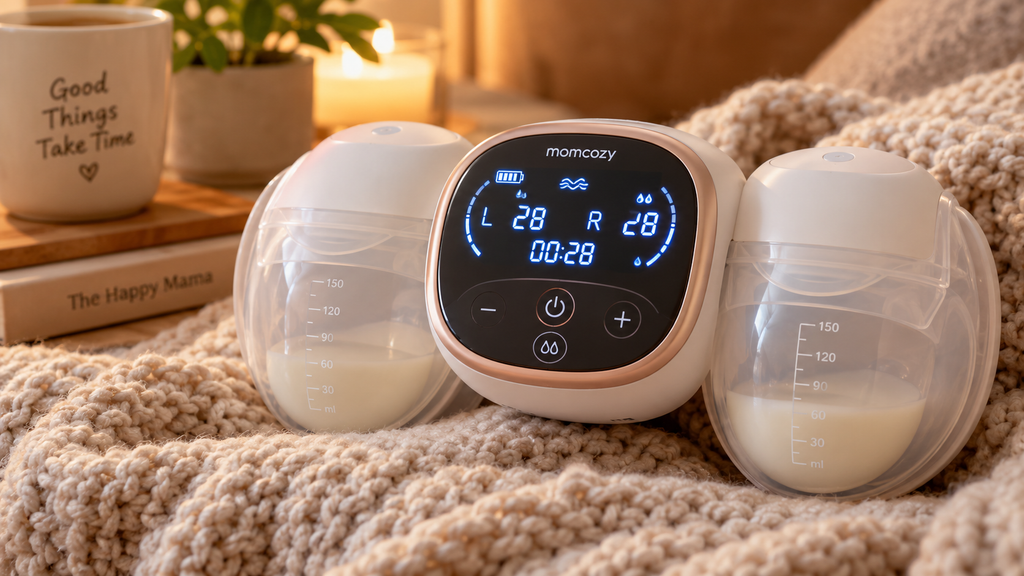
Detailed Review: - If you are hesitant about spending hundreds of dollars on a wearable pump, the TSRETE is your perfect match. It offers a clear, bright LCD screen directly on top of the motor, allowing you to see your current mode, suction level, and pumping time at a glance. It holds a generous amount of milk and provides surprisingly strong suction that gets the job done efficiently.
Pros & Cons:
Pros: Very budget-friendly, clear built-in display screen, strong suction.
Cons: The most visible/bulky under clothing, motor is noisier than premium models.
👉 Click the link to check the price on Amazon
- Comprehensive Buyer’s Guide: How to Choose the Right Wearable Pump
Selecting the perfect wearable breast pump depends entirely on your daily routine, body type, and unique lactation needs. It is rarely a one-size-fits-all situation. To ensure you make the best investment for your breastfeeding journey and avoid wasting money on devices that do not suit your lifestyle, keep these crucial factors in mind before making your purchase:
Flange Sizing & Fit: This is undeniably the most critical factor for both your physical comfort and your overall milk output. An incorrect flange size can cause severe pain, nipple damage, and drastically reduce your milk supply by failing to empty the breast properly. Many first-time moms do not realize that nipple size can change throughout their postpartum journey. Look for brands that include multiple insert sizes in the box (like the Momcozy M5) or offer a printable, true-to-scale sizing guide online. If you have elastic nipples—where the tissue stretches significantly into the tunnel—you may need specialized silicone inserts to prevent friction and swelling during your session.
Suction Power (mmHg) and Customization: If you are an exclusive pumper, meaning your baby does not nurse directly from the breast at all, you need a pump with hospital-grade suction (typically ranging from -270 to -300 mmHg) to ensure your breasts are fully emptied. The Willow Go and Momcozy excel in this department. Additionally, look for pumps that offer distinct phases: a rapid “stimulation mode” to trigger your letdown reflex, and a slower, deeper “expression mode” to draw the milk out efficiently. The more intensity levels a pump has, the better you can customize it to your body’s daily hormonal and physical fluctuations.
Noise Level and Discretion: If you plan to pump at a quiet office desk, during virtual Zoom meetings, or while putting your baby to sleep in a silent nursery, prioritize pumps with ultra-silent motors. The Elvie Pump is unmatched in this category, operating at a whisper-quiet decibel level. Consider the environment where you will use the pump most frequently. A loud, vibrating motor can draw unwanted attention in public and easily disrupt your baby’s precious nap time.
Battery Life and Charging Options: Evaluate how many pumping sessions a single full charge will realistically yield. If you are traveling frequently, commuting long distances, or working 12-hour shifts away from standard outlets, you absolutely need a pump that lasts at least 5 to 6 sessions per charge. Furthermore, look for pumps that utilize standard USB-C charging cables. This modern feature allows you to recharge your pump effortlessly in your car, via a laptop, or using a portable power bank, rather than relying on a bulky, proprietary wall charger that you might accidentally leave at home.
Ease of Cleaning and Assembly: Wearable pumps inherently feature more small, intricate components than traditional wall pumps due to their compact design. Since you will be washing these parts multiple times a day, look for models with fewer silicone pieces to save yourself precious time at the sink. Opt for closed-system pumps to prevent milk from ever entering the tubing or motor, which heavily protects against dangerous mold growth. Dishwasher-safe components are a massive bonus for exhausted parents. - Pro Tips & Hacks for Wearable Pumping
The Fridge Hack for Busy Days: To save yourself from the relentless cycle of washing and sterilizing parts after every single use, utilize the popular “fridge hack.” Simply place your assembled, unwashed pump components (minus the electronic motor, of course) into a clean Ziploc bag or a sealed food-storage container, and store them in the refrigerator between your daily pumping sessions. The cold temperature slows down bacterial growth. You can then wash and sterilize everything thoroughly just once at the end of the day. (Note: Always consult with your pediatrician regarding milk storage guidelines, especially if you have a premature or medically fragile infant).
The “Lean Forward” Trick to Prevent Leaks: Wearable pumps can occasionally leak when you remove them, especially if the cups are completely full. To prevent spilling a single drop of your hard-earned “liquid gold,” always lean slightly forward when breaking the silicone seal and carefully lifting the cups out of your bra. Keep the pump completely upright as you transfer the milk into your storage bags or bottles.
Invest in the Right Pumping Bra: A premium wearable pump is only as effective as the bra holding it securely in place. You must use a stretchy, full-coverage nursing bra that does not have restrictive underwires. If the bra is too loose, the pump won’t maintain the tight suction seal required to express milk effectively. Conversely, if the bra is too tight, it can aggressively compress your breast tissue, leading to painful clogged ducts or even mastitis. Consider buying bra strap extenders to comfortably accommodate the extra bulk of the pump.
The Warm Compress and Massage Hack: Wearable pumps generally do not massage the breast as deeply as traditional plastic flanges. To maximize your output and prevent clogs, apply a warm washcloth or use a heated lactation massager for about five minutes before you begin pumping. This encourages vasodilation and triggers a faster, much more robust letdown reflex. - Frequently Asked Questions (FAQs)
Can wearable breast pumps completely replace traditional wall pumps?
For a large majority of modern moms, the answer is a resounding yes! Wearable pump technology has advanced significantly over the last few years, offering suction and efficiency comparable to heavy, plug-in wall pumps. However, it entirely depends on your specific body and milk supply. Some exclusive pumpers still prefer to use a heavy-duty, hospital-grade traditional pump (like a Spectra) for their very first morning session—when milk volume is at its highest—to ensure absolute maximum emptying. They then rely on their wearable pumps for the sheer convenience of all their remaining daytime and evening sessions.
Can I lie down, take a nap, or sleep while using a wearable breast pump?
Generally speaking, no. Most standard wearable pumps on the market today require you to remain in an upright position or leaning only slightly backward. If you lay completely flat on your back, the law of gravity will cause the milk to flow backward, potentially leaking out of the top air vents or, worse, entering and permanently ruining the electronic motor mechanism. The only notable exception to this rule is the original Willow 3.0 model; when used specifically with their proprietary, spill-proof disposable milk bags, it offers 360-degree leak-proof mobility, allowing you to pump in any position—even lying down for a quick nap.
How often do I realistically need to replace the silicone pump parts?
To maintain optimal suction and aggressively protect your milk supply, silicone replacement parts—specifically the duckbill valves and the backflow protector diaphragms—must be replaced consistently. If you pump exclusively (4 to 8 times a day), you should replace these parts every 3 to 4 weeks. If you pump occasionally (1 to 3 times a day), replacing them every 2 to 3 months is sufficient. Microscopic tears and stretching occur with daily washing and frequent use, which drastically reduces the pump’s vacuum strength. If you ever notice a sudden, unexplained drop in your milk output, worn-out silicone valves are almost always the hidden culprit.
How do I know if I am using the correct flange size?
Your nipple should move freely in and out of the flange tunnel without aggressively rubbing against the sides. If your areola is being pulled deeply into the tunnel, the flange is entirely too large. If your nipple turns white, rubs uncomfortably, or hurts during the session, the flange is too small. Measure your nipple diameter (excluding the areola) before pumping and add 1 to 3 millimeters to find your perfect starting flange size. - Final Verdict & Next Steps
Navigating the complex, demanding landscape of modern motherhood is challenging enough; feeding your beautiful baby shouldn’t strictly mean sacrificing your personal freedom, daily comfort, or mental sanity. By intentionally investing in a high-quality wearable breast pump, you are doing much more than just buying a baby gadget—you are actively reclaiming your precious time, restoring your mobility, and making your entire breastfeeding journey significantly more manageable and sustainable over the long term.
Whether you decide to choose the ultra-silent, tech-savvy Elvie Pump for absolutely discreet pumping at the office, the incredibly powerful Willow Go for high milk capacity and robust suction, or the highly budget-friendly Momcozy M5 for superior everyday comfort without breaking the bank, there is a perfect hands-free option waiting to seamlessly integrate right into your life. Take a moment to thoroughly assess your daily routine, heavily prioritize your physical comfort, and embrace the unparalleled freedom of wireless pumping today!
👉 Click the link to check the price on Amazon
And now, I hope I have answered your questions and that you choose the best product for the safety of your children.