
Disclosure: This post contains affiliate links. As an Amazon Associate, we earn a small commission from qualifying purchases at no extra cost to you. We only recommend products we truly love and trust.
As someone deeply passionate about babies and toddlers and who cares a lot about their comfort, in this article, we will explore nursing support pillows, their features, pros, and cons, and I will also try to answer your questions.
Breastfeeding is one of the most rewarding bonding experiences between a mother and her newborn, but it is also physically demanding. New mothers often spend anywhere from 4 to 8 hours a day nursing, which frequently leads to intense neck strain, middle-back pain, shoulder aches, and severe fatigue. Slouching over to bring your breast to your baby—rather than elevating your baby to your breast—is the leading cause of postpartum physical discomfort.
This is precisely where a high-quality, medically designed nursing pillow becomes an indispensable postpartum tool. Unlike standard couch cushions or regular bed pillows, ergonomic nursing pillows are specifically engineered to provide firm spinal support, elevate your infant to the optimal latching height, and relieve stress from your arms and lower back. In this comprehensive guide, we will break down why an ergonomic nursing pillow is a non-negotiable postpartum essential, review the top 5 medical-grade and recommended nursing pillows on the market, and provide you with a full buyer’s guide to help you choose the ultimate support system for your nursing journey.
. Why You Still Need a Medical Nursing Pillow
Many expectant parents assume that standard bed pillows or decorative cushions are sufficient for nursing. However, traditional soft pillows flatten under the baby’s weight, slipping out of place and forcing you to constantly hunch forward. Over time, this poor positioning can lead to chronic musculoskeletal issues, tension headaches, and even painful breast issues like clogged ducts caused by poor latching angles.
A dedicated ergonomic nursing pillow serves a vital medical and practical purpose:
Optimal Latching Position: Elevating your baby to exact nipple height ensures a deep, comfortable latch, drastically reducing nipple soreness and feeding frustration.
Spinal Alignment & Posture Correction: Proper lower back (lumbar) and elbow support prevent upper back spasms and slouching.
C-Section Incision Protection: Firm wraparound pillows create a physical barrier that protects sensitive abdominal incisions from accidental kicks or pressure.
Reduced Muscle Strain: By bearing the full weight of your baby, nursing pillows allow your shoulders, wrists, and arms to remain entirely relaxed during long feeding sessions.
👉 Click the link to check the price on Amazon
. Top Products Review: The Best Medical & Ergonomic Nursing Pillows
- My Brest Friend Original Deluxe Nursing Pillow
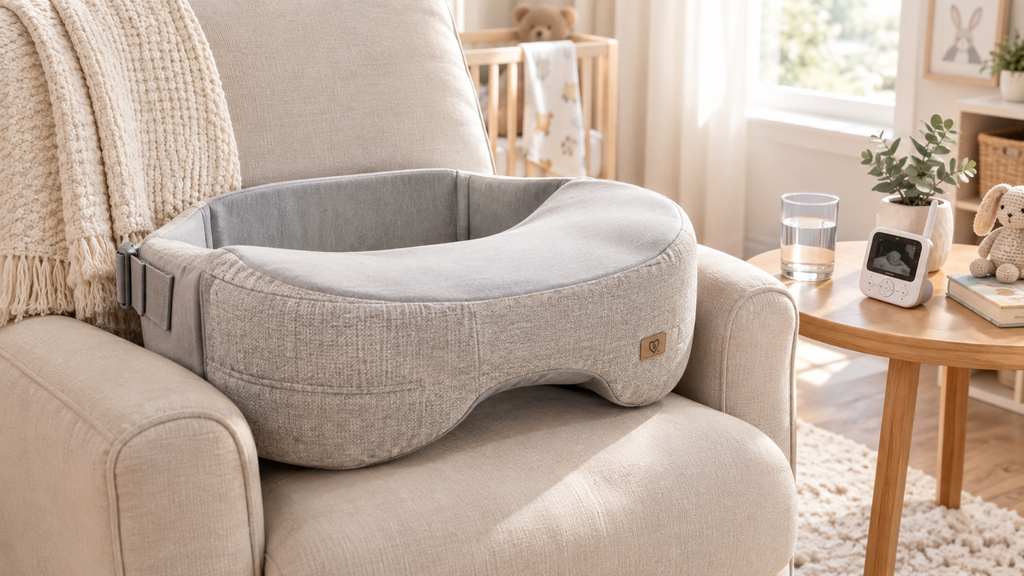
- Primary Feature: Patented wraparound design with an integrated silent-release strap and lumbar support cushion.
Best For: Mothers recovering from C-sections, parents suffering from lower back pain, and those prioritizing proper latching alignment.
Detailed Review: - The My Brest Friend Deluxe is widely considered the gold standard among lactation consultants and hospital maternity wards. Unlike rounded pillows that shift around your waist, this pillow completely wraps around your body and secures tightly with an adjustable strap. Its flat, firm top platform prevents your baby from rolling inward or sinking into gaps, keeping them at the exact height required for a seamless latch. The built-in lumbar backrest supports upright posture, while the extra soft fabric cover provides supreme comfort during extended night feedings.
Pros & Cons:
Pros: Unmatched lumbar support, flat firm top prevents infant rolling, adjustable silent-release belt, convenient accessory pocket.
Cons: Bulky structure makes it less ideal for quick travel; fit can feel snug for larger torsos without the optional belt extender.
👉 Click the link to check the price on Amazon
- Boppy Original Feeding & Infant Support Pillow
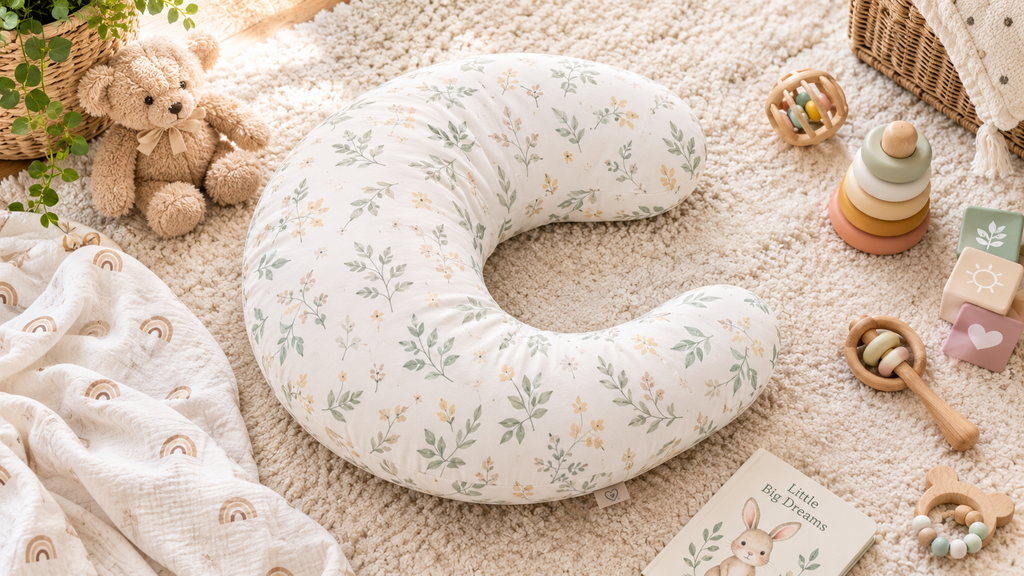
- Primary Feature: Classic C-shaped ergonomic contour built for multi-stage infant support.
Best For: Mothers looking for a versatile, easy-to-use pillow for feeding, propping, tummy time, and sitting support.
Detailed Review: - The Boppy Original is a household staple that has supported millions of mothers worldwide. Its open C-shape design slides effortlessly around the waist without fussing with buckles or straps, making it perfect for quick, middle-of-the-night feedings. The miracle middle stretch panel is engineered to fit most waist sizes comfortably. Beyond feeding support, the Boppy seamlessly transitions into a developmental pillow as your baby grows, serving as an ideal aid for propping at 3 months, tummy time at 6 months, and sitting practice at 9 months.
Pros & Cons:
Pros: Extremely easy to put on and remove, highly versatile for baby development milestones, wide variety of machine-washable slipcovers.
Cons: Lacks back/lumbar support; soft fill can slide away from smaller waists leaving a gap.
👉 Click the link to check the price on Amazon
- Ergobaby Natural Curve Nursing Pillow
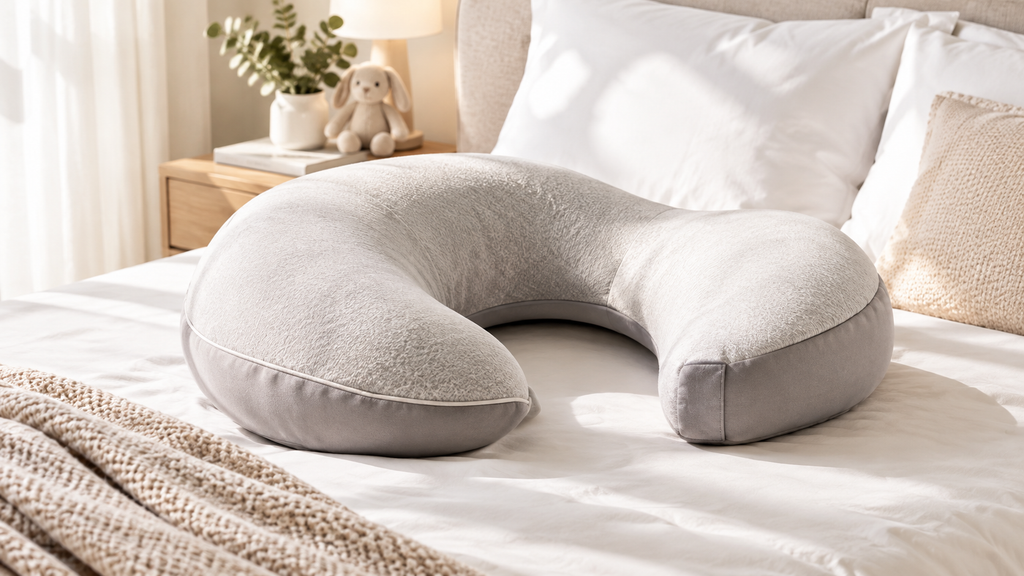
- Primary Feature: High-density, firm contoured foam that maintains its shape and places baby tummy-to-tummy.
Best For: Moms seeking maximum firmness, structural durability, and optimal belly-to-belly positioning.
Detailed Review: - Designed with medical guidance, the Ergobaby Natural Curve addresses the biggest complaint about traditional fiber-filled nursing pillows: sagging over time. Made from ultra-dense, durable contoured foam, this pillow keeps its shape session after session. The deep interior curve naturally tilts your baby so their stomach rests comfortably against yours, encouraging an ideal latch while keeping their head elevated above their stomach to assist digestion and reduce acid reflux. The built-in carry handle makes transporting it around the house effortless.
Pros & Cons:
Pros: Never sags or loses shape, contoured curve promotes tummy-to-tummy position, excellent height for posture support.
Cons: Very firm structure may feel stiff for some parents; higher price point than basic fiber pillows.
👉 Click the link to check the price on Amazon
- Blessed Nest Nesting Organic Nursing Pillow
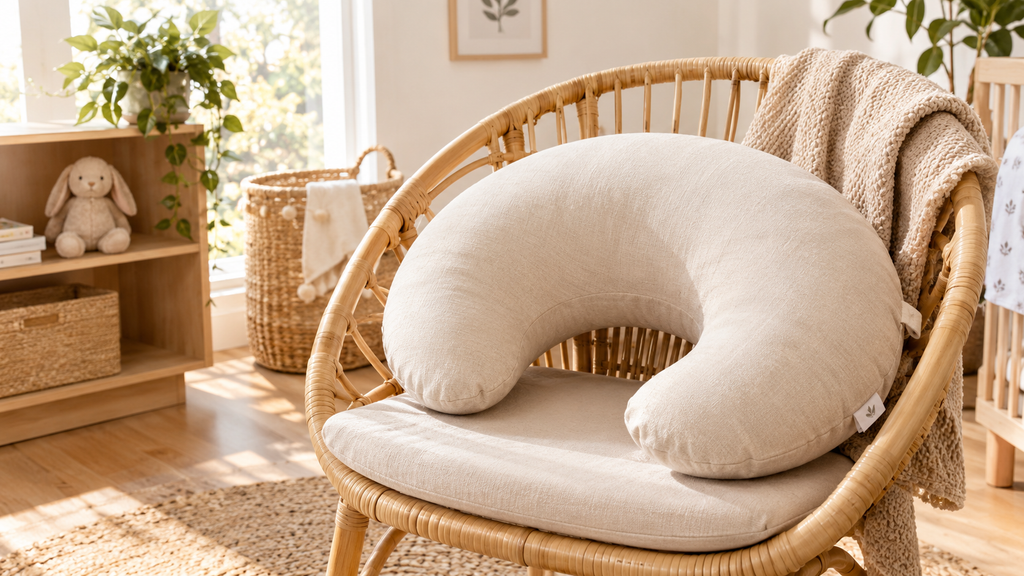
- Primary Feature: Filled with 100% organic buckwheat hulls that conform naturally to any body shape.
Best For: Eco-conscious parents, moms looking for customizable support, and families sensitive to synthetic materials.
Detailed Review: - The Blessed Nest Nesting Pillow offers a completely unique, toxic-free approach to nursing support. Instead of synthetic foam or polyester fiberfill, it is filled with organic buckwheat hulls. This enables the pillow to act like a firm beanbag, moulding precisely around your body and conforming to your baby’s exact shape. Because the hulls shift under pressure, you can easily mold a higher or lower wedge depending on whether you are sitting on a deep couch, a bed, or a nursery glider. The outer slipcover is crafted from soft organic cotton, ensuring clean, chemical-free contact with delicate infant skin.
Pros & Cons:
Pros: 100% organic materials, completely moldable to any position or body size, highly breathable.
Cons: Noticeably heavier than synthetic pillows; buckwheat hulls create a gentle rustling sound when moved.
👉 Click the link to check the price on Amazon
- Luna Lullaby Bosom Baby Nursing Pillow
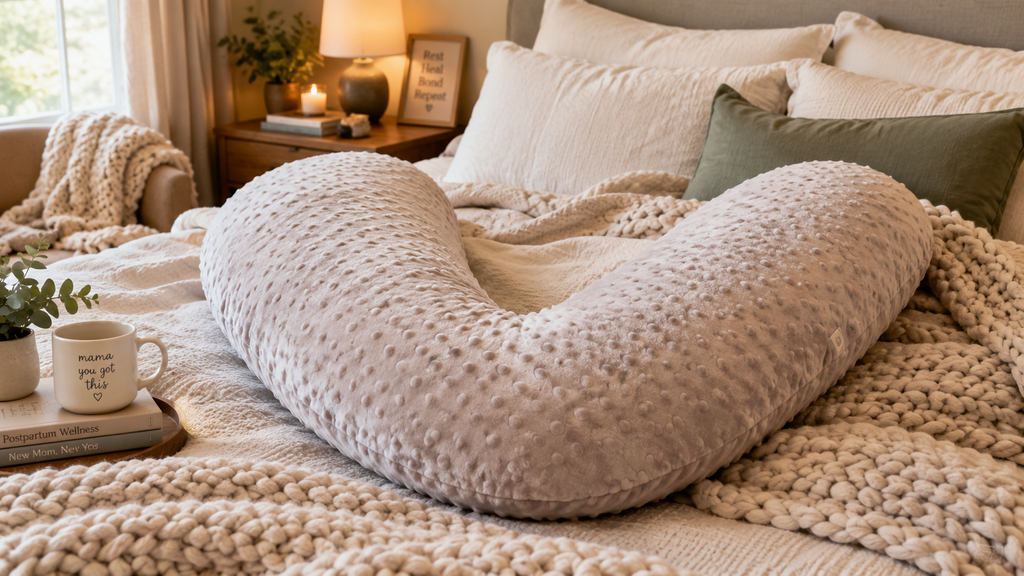
- Primary Feature: Oversized, ultra-plush V-shape design without flat edges or harsh straps.
Best For: Plus-size mothers, moms nursing twins, and those who prefer a soft, cloud-like feeling against their body.
Detailed Review: - If you find standard nursing pillows too restrictive or narrow around your waist, the Luna Lullaby Bosom Baby is the ideal solution. Its generous V-shaped design extended long arms that rest gently across your lap without pressing against your abdomen, making it exceptionally comfortable for mothers recovering from C-section surgery or twin feedings. Filled with premium plush fiber and covered in luxurious, ultra-soft minky fabric, it creates an inviting, cozy cradle for your baby while keeping your arms fully supported.
Pros & Cons:
Pros: Unmatched plush comfort, generous size fits all body shapes and plus sizes comfortably, no hard buckles or zippers.
Cons: Larger footprint takes up more space on smaller chairs; softer surface requires careful positioning to keep baby at height.
👉 Click the link to check the price on Amazon
- Comprehensive Buyer’s Guide: How to Choose the Right Nursing Pillow
Selecting the ideal nursing pillow is not a one-size-fits-all purchase. Every mother’s body shape, postpartum recovery trajectory, and home environment are unique. Choosing a pillow without considering these physical factors often leads to frustration, posture strain, and wasted money. To ensure you make a smart investment that provides long-term relief, evaluate these fundamental criteria before making your decision:
Firmness vs. Cushioning & Interior Fill Types
The density and internal composition of a nursing pillow determine how well it will perform over months of continuous use. While a plush, soft pillow might feel comfortable to touch, soft fillings tend to compress under the baby’s weight. When a pillow sags, your infant slides downward, forcing you to slouch forward to keep your nipple in their mouth. This constant spinal flexion is the primary cause of upper back, neck, and shoulder strain.
High-Density Molded Foam: Offers maximum structural support, keeping your baby at an immutable height. It prevents sagging entirely, making it the best option for newborns and mothers establishing a proper latch.
Polyester Fiberfill: Lightweight, soft, and budget-friendly. Fiberfill provides a cozy surface, but lower-quality versions can flatten or develop lumps after repeated washings. Look for high-loft, virgin polyester fill if choosing this option.
Organic Buckwheat Hulls: Highly moldable, breathable, and eco-friendly. Buckwheat fills conform dynamically to your body and baby, offering a custom fit, though they add significant weight to the pillow.
Body Fit, Waist Size, and Inclusivity
A nursing pillow must fit snuggly around your torso to eliminate dangerous gaps where your baby could slip down. However, female body shapes vary drastically, especially during the postpartum recovery period when abdominal swelling is common.
Open C-Shaped Designs: These slide quickly around the waist and adapt easily to changing body shapes. However, if you have a smaller waist, an open C-shape may leave an empty gap in front; if you are plus-sized, it may feel uncomfortably tight.
Strapped & Wraparound Designs: These secure firmly around your lower back or waist using adjustable belts and quick-release buckles. They guarantee zero shifting during feeding sessions. If you are plus-sized, ensure the brand offers accessible belt extenders.
Wide V-Shaped Designs: These offer long, flexible arms that rest over your lap without hugging your waist tightly, making them a universally comfortable choice for all body types.
C-Section Recovery & Abdominal Protection
If you give birth via Cesarean section, your lower abdominal wall will remain tender, swollen, and hypersensitive for weeks. Placing a standard cushion that presses directly against your incision line can cause severe pain and disrupt wound healing.
Look for nursing pillows engineered with raised platforms or elevated contours that transfer the baby’s weight to your thighs or hips rather than your abdomen.
Prioritize models with lumbar support backs that pull the cushion snug against your waist above the incision line, or open V-shaped pillows that cradle your sides without exerting direct pressure on your lower belly.
Washability, Hygiene, and Fabric Breathability
Feeding sessions are inherently messy. Between breast milk leaks, infant spit-up, and sudden diaper blowouts, your nursing pillow will be exposed to moisture daily. Inadequate hygiene maintenance can lead to mold formation inside the core cushion or bacterial buildup against your baby’s delicate skin.
Removable Slipcovers: Always verify that the outer cover features a long, hidden zipper for effortless removal.
Fabric Composition: Choose breathable, hypoallergenic fabrics like 100% organic cotton, bamboo rayon, or soft plush minky. Organic cotton is ideal for sensitive infant skin, while minky offers luxury warmth during late-night feeds.
Waterproof Inner Liners: High-end nursing pillows include a protective waterproof barrier over the core foam or fill, allowing you to wash just the outer cover without soaking the internal filling.
Portability, Storage, and Household Logistics
Consider where you plan to nurse most frequently. If you have a dedicated nursery glider with a stationary setup, a larger, heavier pillow with lumbar backrests will serve you exceptionally well. However, if you constantly move between the living room couch, your bedroom, and visits to relatives, a bulky pillow quickly becomes cumbersome. Lightweight C-shaped or compact fold-and-go pillows are significantly easier to carry around the house with one arm while holding your baby in the other. - Pro Tips & Hacks for Nursing Pillow Success
The “Bring Baby to Breast” Ergonomic Rule: The most common mistake new mothers make is placing the pillow on their lap and leaning forward to lower their breast into the baby’s mouth. This posture puts severe strain on the lumbar and cervical spine. Always pull the pillow tight against your stomach, lay your baby on top, and use folded blankets underneath the pillow if necessary to raise your baby directly to your nipple height. Your back should remain flat against your chair.
The Dual-Cover Defense System: To eliminate late-night stress when spit-up accidents happen at 2:00 AM, use two slipcovers simultaneously. Put a waterproof protective cover directly over the inner pillow core, followed by your soft decorative outer cover. If an accident occurs in the middle of the night, simply strip off the top cover and continue feeding on the clean, protected layer without missing a beat.
The Nursery Footstool Synergy: Elevating your feet by just a few inches drastically improves your nursing ergonomics. Using a small footstool or ottoman raises your thighs slightly, which naturally tilts the nursing pillow back toward your torso. This simple angle adjustment prevents the pillow from sliding forward and locks your baby securely against your body.
The Small Swaddle Towel Trick: If your baby struggles with infant acid reflux or frequent spitting up during or after feeds, slide a tightly rolled baby blanket or small swaddle towel under the head end of the nursing pillow. This creates a gentle 15-degree elevation that uses gravity to keep milk down and drastically reduces post-feed discomfort.
Gradual Tummy Time & Milestone Transition: Don’t pack your nursing pillow away once feeding becomes second nature. Around 3 to 4 months of age, place your baby chest-down over the curved edge of the pillow with their arms positioned over the front. This gentle incline makes tummy time significantly less frustrating for infants, building their neck, shoulder, and core strength safely while preventing flat head syndrome. - Frequently Asked Questions (FAQs)
Can my baby sleep safely on a nursing pillow?
No, absolutely not. Nursing pillows are engineered strictly as awake-feeding supports and supervised developmental aids. According to the strict safe sleep guidelines established by the American Academy of Pediatrics (AAP), infants must never be left to sleep on soft surfaces, inclined cushions, or nursing pillows. Allowing a baby to sleep on a nursing pillow carries a high risk of positional asphyxiation (where an infant’s heavy head slumps forward, blocking their airway) or accidental suffocation if they roll into the soft fabric. Once your baby falls asleep after a feed, immediately transfer them to a firm, flat crib or bassinet surface free of pillows, blankets, or soft toys.
How long will I realistically use a nursing pillow?
Most mothers rely heavily on an ergonomic nursing pillow during the first 4 to 6 months of their infant’s life. During this newborn phase, babies lack neck control and require total physical elevation and body support during every feeding session. As your baby develops head control and sitting balance around 6 months, your dependence on the pillow for feeding will naturally decrease. However, high-quality nursing pillows continue to serve valuable developmental roles as propping supports (around 3–4 months), tummy time bolsters (4–6 months), and sitting safety cushions (6–9 months), extending their overall utility for nearly a full year.
Are nursing pillows beneficial for bottle-feeding parents and caregivers?
Yes, immensely. Bottle-feeding mothers, fathers, partners, and grandparents experience the exact same physical fatigue, wrist strain, and arm numbness that comes with holding an 8-to-15-pound infant for 20 to 30 minutes multiple times a day. An ergonomic nursing pillow supports the caregiver’s elbows and forearms, taking the full weight off their upper body. Furthermore, resting the baby on an elevated, semi-upright pillow angle during bottle feeds aids infant digestion, reduces air swallowing (colic), and facilitates uninterrupted, eye-to-eye bonding between the caregiver and the baby.
How do I prevent my baby from rolling into the gap between the pillow and my body?
The “gapping effect” occurs when a nursing pillow is either too wide for your waist or placed loosely against your stomach. To prevent this, ensure you sit all the way back into a supportive chair so your lower back rests against the chair cushion. Pull the pillow completely flush against your stomach before laying your baby down. If using a unstrapped C-shaped pillow, placing a small throw pillow behind your lower back or using a footstool will force your lap upward, trapping the nursing cushion firmly against your torso and completely closing the gap.
Can I use a standard nursing pillow for tandem feeding twins?
While standard single nursing pillows can occasionally accommodate tandem feeding when babies are tiny newborns, they generally lack the surface area and side support required for two growing infants. If you are expecting twins or exclusively tandem feeding, it is strongly recommended to invest in a specialized twin nursing pillow (such as the My Brest Friend Twin or the Twin Z Pillow). These models feature extra-wide firm platforms on both sides of your body, allowing you to secure two babies simultaneously in the football hold with complete stability.

- Conclusion
Navigating the postpartum period is a journey filled with profound joy, but it also presents significant physical challenges. Suffering through chronic neck strain, middle-back spasms, or poor latching alignment should never be considered an unavoidable rite of passage for new mothers. Experiencing physical pain during feeding sessions creates unnecessary stress, draining the energy you need to bond with your newborn.
Investing in a medically designed, highly ergonomic nursing pillow transforms feeding times from a physically exhausting chore into a peaceful, comfortable experience. By elevating your baby to the exact height required for a deep latch, providing structural lumbar support, and protecting tender C-section incisions, the right nursing pillow safeguards your spinal health and accelerates your overall postpartum recovery. Whether you choose the firm, back-supporting precision of the My Brest Friend, the versatile simplicity of the Boppy, or the dense, non-sagging support of the Ergobaby, prioritizing your postural wellness is one of the most beneficial decisions you can make for both your personal health and your baby’s comfort.
👉 Click the link to check the price on Amazon
And now, I hope this article has helped you learn more about this product, and I hope I have answered your questions regarding this topic.